New vs. Old SF Homes: Which Holds Value?
In San Francisco, classic homes generally hold value exceptionally well over the long term, but new construction is not at a disadvantage across the board. The honest answer depends on what type of property you are comparing, which neighborhood it sits in, and what drives value for your specific goals. Let me walk you through how the Love Smart Living team at Christie's International Real Estate Sereno thinks about this question every day with real buyers and sellers.
What "Holds Value" Actually Means in San Francisco
Before comparing property types, it helps to be precise. Holding value in San Francisco means two things: resilience during a down market and appreciation strength in an up market. A property that dips less when sentiment softens and recovers faster is a strong value holder. San Francisco has historically rewarded scarcity, character, and land ownership. Keep that framework in mind as we go.
Classic San Francisco Homes: The Case for Character and Land
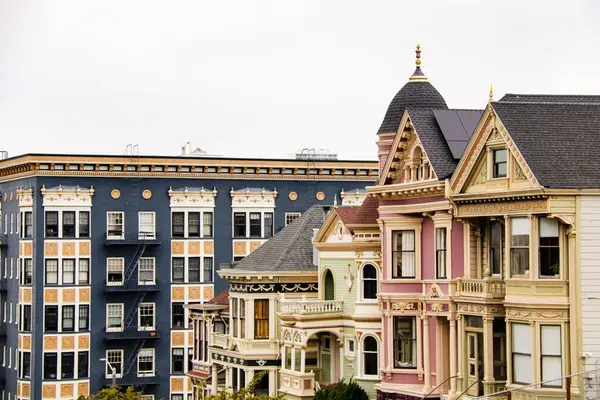
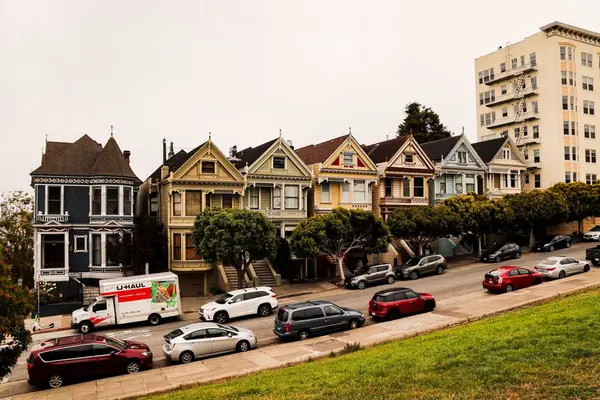
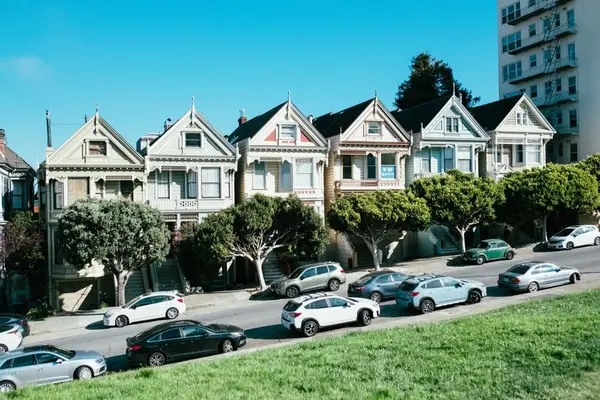
When most people say "classic SF home," they mean a Victorian, Edwardian, or Craftsman era single family home or two to four unit building, often on its own lot in neighborhoods like Noe Valley, Eureka Valley, Cole Valley, or the Inner Richmond. These properties carry a structural advantage that is hard to overstate: you own the land beneath them.
- Land scarcity drives long term value. San Francisco is a 7x7 mile peninsula. Lots do not appear from nowhere. Older homes on full lots in established neighborhoods sit on genuinely irreplaceable real estate.
- Character commands a premium. Period details like bay windows, original hardwood floors, ornate facades, and generous room proportions are essentially impossible to replicate at scale in new construction. Buyers pay for that authenticity, and the resale market reflects it consistently.
- Lot flexibility adds optionality. An older single family home may allow ADU development, a garage conversion, or a future expansion. That optionality has real value on paper even before a shovel breaks ground.
- Neighborhood embeddedness matters. A Victorian on a tree lined block in Glen Park or Bernal Heights benefits from decades of established community character. That context is itself a value driver.
The trade off is maintenance. These homes can carry deferred work, seismic considerations, older electrical panels, and plumbing that has seen better decades. A well prepared buyer knows that going in and prices it accordingly. If you are thinking about buying in San Francisco, understanding the disclosure culture around older homes is essential. Every significant issue surfaces in the disclosures here, and sellers are expected to be thorough.
New Construction in San Francisco: What You Actually Get
New construction in San Francisco as of August 2026 means something quite specific. You are almost never buying a new single family home on a private lot. The city's infill constraints mean that new development almost always takes the form of condominiums, sometimes in a mixed use building, occasionally as part of a smaller boutique project in a neighborhood like Dogpatch, Mission Bay, or the Transbay corridor. A handful of new townhome clusters exist, but they are the exception.
- Low maintenance in the early years. New systems, new appliances, seismic compliance built to current code, and often a builder warranty. For buyers who do not want to manage repairs right away, this is genuinely attractive.
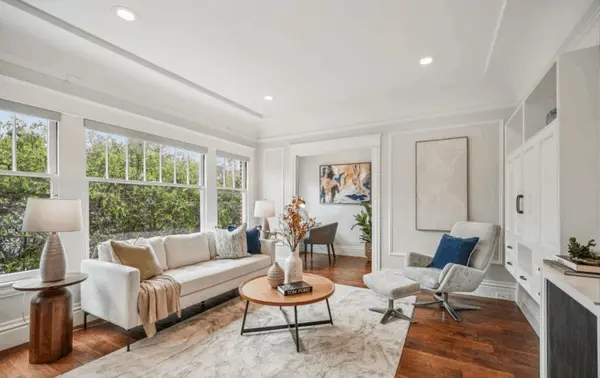
- Modern layouts and amenities. Open floor plans, in unit laundry, energy efficiency, and sometimes shared amenities like gyms or rooftop decks. These features appeal strongly to certain buyer pools, which supports resale.
- HOA dependence is real. A homeowners association governs almost every new construction condo in San Francisco. Monthly dues cover shared maintenance, and those dues can rise. When evaluating a new construction condo, the health of the HOA reserve fund matters enormously for long term value.
- Condo market softness is a documented pattern. Condos in San Francisco, whether new or older, have historically shown more price volatility than single family homes during market corrections. New construction condos, particularly those in large high rise projects, face additional headwinds when many similar units are reselling at the same time.
For a deeper look at what condo ownership actually involves in this city, our Condo Living 101 guide covers the mechanics of HOAs, special assessments, and what to look for before you make an offer.
Land scarcity and neighborhood character are San Francisco's most durable value drivers, and older homes on private lots have both.
The TIC Factor: A Uniquely San Francisco Wrinkle
A TIC, or tenancy in common, is a form of ownership common in San Francisco where multiple buyers own undivided fractional interests in a single building rather than individual units with separate deeds. Many classic SF multi unit buildings sell as TICs, and some buyers choose them for the lower entry price relative to a comparable condo. The value trade off is real though: TIC financing carries different terms than conventional loans, and resale pools are narrower. This is a San Francisco specific nuance that does not exist in most other markets, and it affects value calculations meaningfully.
Neighborhood Microclimate and Value: A San Francisco Reality
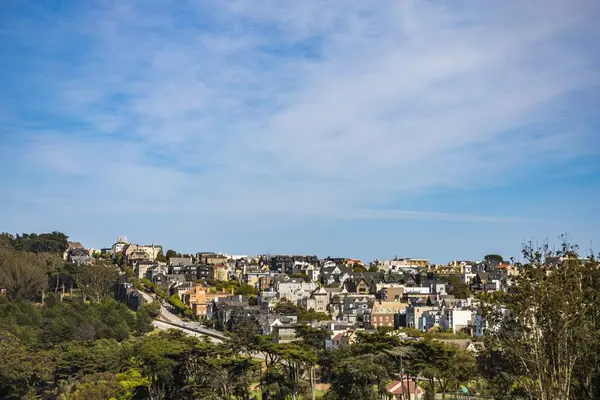
Right now in August 2026, neighborhood context shapes value as much as property type does. A classic Edwardian flat in Noe Valley with views toward Twin Peaks sits in a different value universe than a comparable structure in a fog heavy outer neighborhood. New construction in Mission Bay benefits from proximity to Caltrain and the Chase Center corridor but lacks the walkable neighborhood fabric that makes Noe Valley, the Castro, or the Haight perennially desirable. Single family homes command a clear premium over condos across virtually every San Francisco neighborhood when you compare equivalent square footage, and that gap tends to widen during uncertain markets.
Microclimates matter too, practically and psychologically. Homes on the sunny east facing slopes of Noe Valley, Eureka Valley, and Bernal Heights consistently outperform comparable stock in persistently foggy areas like the Outer Sunset or Forest Hill, not because fog reduces livability, but because sunny exposure is genuinely scarce and buyers will pay for it.
Which Holds Value Better? Our Honest Take
If your primary goal is long term value preservation, a well located single family home or small multi unit building on its own lot in an established San Francisco neighborhood is the stronger structural bet. Land scarcity, character, and neighborhood embeddedness have proven durable across multiple market cycles in this city.
New construction condos can be excellent homes and competitive investments in the right context, particularly if you prioritize low maintenance living, modern amenities, and a specific urban corridor. But they carry more supply risk and HOA dependency, and the resale pool for large condo buildings can get crowded when the market softens.
The best way to evaluate any specific property is to look at recent comparable sales in context. Our SF market snapshot gives you a current read on how different product types are performing right now. And if you already own a classic SF home and are curious how it fits into today's market, a free SF home valuation is a good starting point.
Frequently asked questions
Do new construction homes in San Francisco appreciate as well as older homes?
New construction condos in San Francisco have historically appreciated more slowly and experienced more volatility than well located single family homes or small lot multi unit buildings. The primary reason is land ownership: older homes on private lots benefit from genuine scarcity, while new construction condos face supply competition from similar units in the same building or corridor.
Why do single family homes hold value better than condos in San Francisco?
Single family homes in San Francisco sit on private land in a supply constrained market. They are not subject to HOA governance, special assessments, or building level resale competition. During market softening, condos tend to see more price movement because supply adjusts more quickly and buyers have more comparable options to choose from.
Is a TIC a good investment compared to a condo or single family home in SF?
A TIC can offer a lower entry point into desirable San Francisco neighborhoods, but the financing terms are less favorable than conventional loans, and the resale pool is smaller. Whether it is a good investment depends heavily on the specific building, the condo conversion lottery status, and your timeline.
What new construction neighborhoods in San Francisco are strongest for resale?
Mission Bay, the Transbay district, and Dogpatch have been the primary new construction corridors in recent years. Dogpatch benefits from strong neighborhood character and proximity to the waterfront. Mission Bay and Transbay offer transit access and urban amenities but have more supply in a concentrated area, which can affect resale dynamics.
Does the San Francisco transfer tax affect new construction and older homes differently?
The San Francisco transfer tax applies to most real estate sales in the city and is calculated on the full sale price. It applies to both new construction and resale properties. However, buyers of new construction condos should factor in that they are often the first owner, meaning the building has no resale history to benchmark against, making the transfer tax conversation with your agent especially important.
Thinking about making a move in San Francisco?
Whether you are buying, selling, or just weighing your options, we are happy to talk it through with no obligation. Reach out to Nick Ramos & Lynn Bell →
About Nick Ramos & Lynn Bell. We're Nick Ramos and Lynn Bell, a San Francisco real estate team with Christie's International Real Estate Sereno. We help buyers and sellers across the city, with deep local knowledge of San Francisco's neighborhoods, housing markets, and new development. Christie's International Real Estate Sereno. DRE# 02273071 (Nick) · DRE# 01305416 (Lynn). (415) 993-9113 · nickramos@christiesrealestatenorcal.com
Categories
Recent Posts


GET MORE INFORMATION