
First Time Home Buyer California Roadmap: How to Buy Your First Place in San Francisco
As a first time home buyer in California, and especially in San Francisco, the roadmap is: get fully underwritten with a lender, check which state and city assistance programs you qualify for, choose a property type your loan can actually finance, then tour, review disclosures, and write a clean offer. Most first-time buyers we work with in SF start with a condo or TIC, so knowing your loan and HOA rules early saves weeks of heartbreak.
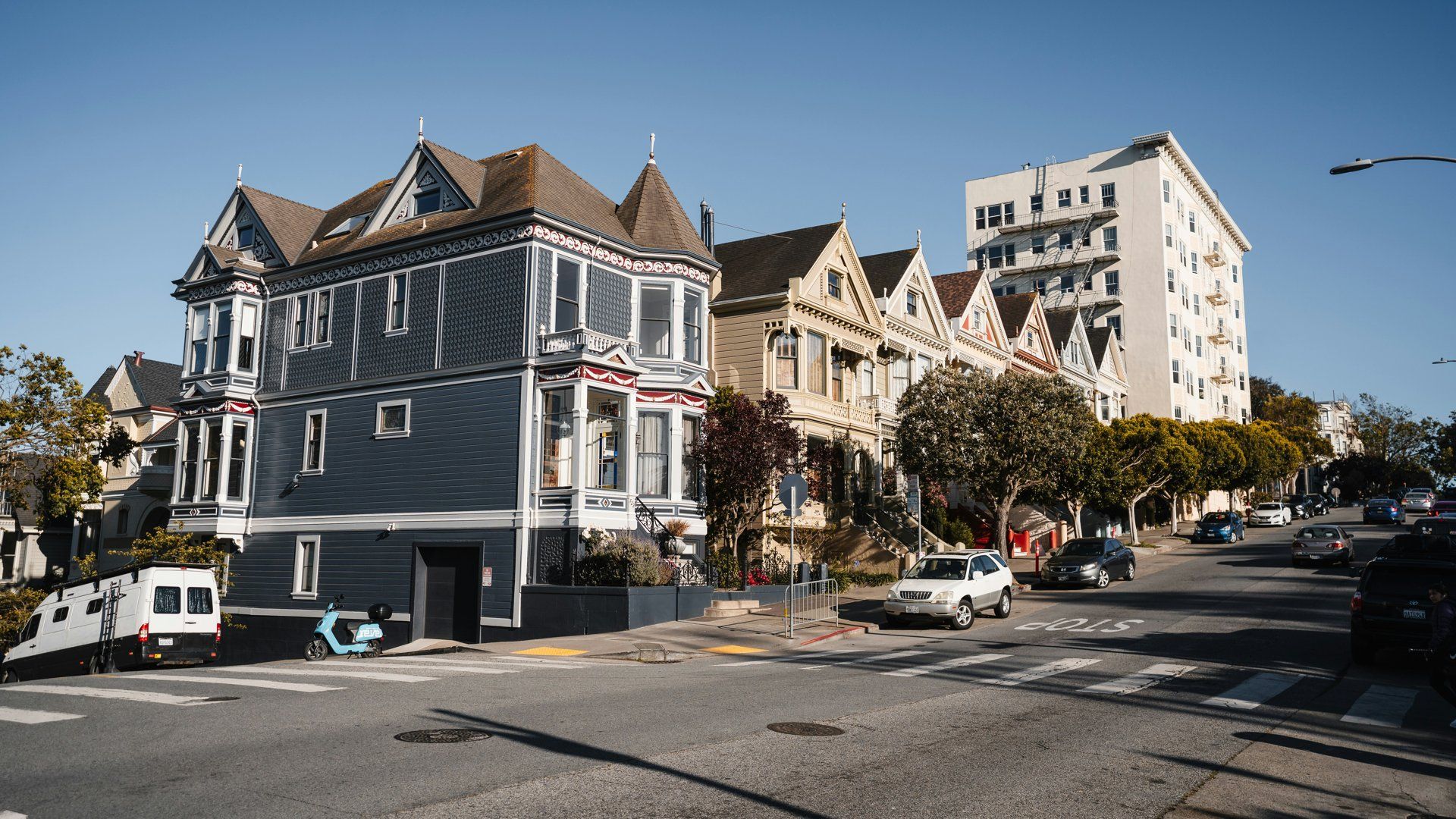
We have walked a lot of first-time buyers through their first San Francisco purchase, from a one-bedroom in a converted Edwardian to a new-construction unit south of Market. The buyers who end up happiest are rarely the ones with the biggest budget. They are the ones who did the steps in the right order. Here is the order we recommend.
Step 1: Get Underwritten, Not Just Pre-Qualified
In San Francisco, a casual pre-qualification letter does not carry much weight. Listing agents want to see that a lender has actually reviewed your income, assets and credit. Ask for a full underwrite, sometimes called a credit-approved pre-approval, before you start touring seriously.
While you are at it, ask your lender three questions:
- What is my comfortable monthly payment, including HOA dues, property tax and insurance, not just the maximum I qualify for?
- Which loan types fit me: conventional, FHA, jumbo, or a TIC fractional loan?
- Can you close in the timeline SF sellers expect, which is often shorter than buyers assume?
A local lender who closes SF condos regularly is worth a lot here. They know which buildings have quirks before you fall in love with one.
Step 2: Know Your First Time Home Buyer Programs in California
This is where a lot of people search for "california first time home buyer grants" and come away confused. In practice, most help is structured as a deferred or shared-appreciation loan rather than free money. The main buckets:
State programs through CalHFA
The California Housing Finance Agency offers first mortgage programs and down payment assistance that can pair with conventional or FHA loans. Program names, funding rounds and income limits change, and some programs open in limited windows and fund quickly. Check CalHFA's site directly and ask your lender whether they are an approved CalHFA lender.
City programs through MOHCD
San Francisco's Mayor's Office of Housing and Community Development runs its own down payment assistance and below-market-rate (BMR) ownership programs. These usually involve income limits, homebuyer education, and lottery or application processes. BMR units also come with resale restrictions, so read the rules carefully before you commit.
Federal loan options
FHA loans for first time home buyers are popular nationally because of their low down payment and flexible credit standards. In San Francisco, the catch is the property: an FHA mortgage on a condo generally requires the building to be FHA-approved, and many SF buildings are not. FHA also has county loan limits, so ask your lender for the current number. FHA can work well, it just narrows the inventory.
If you have seen articles about first time home buyer programs in Texas or Florida, keep in mind every state runs its own housing finance agency with its own rules. Advice that works in Austin or Orlando does not translate to California, so stick to CalHFA and SF sources for your planning.
Step 3: Pick a Property Type Your Loan Can Finance
San Francisco has three main entry points for first-time buyers, and each one finances differently.
- Condos. The most common first purchase. Lenders review the HOA's budget, reserves, owner-occupancy and any litigation. A building with thin reserves or pending litigation can be harder to finance, which affects you and your eventual buyer.
- TICs (tenancy in common). Often priced below a comparable condo, especially in older Edwardian and Victorian buildings in the Mission, Lower Haight and Noe Valley. Financing usually comes through fractional TIC loans from a small group of lenders, with larger down payments and different terms. FHA is generally not an option.
- Single-family homes. The most competitive segment. Entry-level houses tend to be in the southern and western neighborhoods, like the Doelger-built rows in the Sunset or the hillside homes of the Excelsior.
Our honest opinion: do not let the label decide for you. A well-run 6-unit condo building with good light can be a better first home than a stretched house purchase that leaves you with no cushion.
Step 4: Narrow Your Neighborhoods
San Francisco microclimates and transit lines matter more than most first-time buyers expect. A condo on the sunny side of Potrero Hill feels completely different from a unit in the fog belt near Ocean Beach. Think about your commute (BART, the N Judah, the T Third, Caltrain), how much sun you want, parking, and noise from busy corridors.
We put together a guide to the best San Francisco neighborhoods for first-time buyers that compares housing stock and price dynamics. If you want more space for your budget, read our guides to living in the Outer Sunset and living in the Excelsior, two areas where we see a lot of first purchases.
Step 5: Read the Disclosures Before You Write
Most SF listings publish a disclosure package before the offer date, often including a pest report, a general inspection, and for condos, HOA documents. Read them. We review every package with our buyers, and we flag things like:
- Section 1 pest work and who is expected to pay for it
- Upcoming special assessments in HOA minutes
- Reserve study shortfalls
- Unpermitted work, common in older homes with converted garages or added baths
- Rental restrictions in the CC&Rs
A great price on a building heading into a major assessment is not a great price.
Step 6: Write a Clean, Competitive Offer
San Francisco offers usually follow a set offer date, though pre-emptive offers do happen. The strongest first-time buyer offers we write combine a realistic price with clean terms: a solid deposit, a short or waived contingency period where your risk tolerance allows, and a lender who has already reviewed the HOA if it is a condo.
Waiving contingencies is a real risk, not a strategy for everyone. We talk through it case by case, based on the disclosures, the building, and your savings.
Step 7: Plan for Closing Costs and Life After Closing
Budget beyond the down payment. Closing costs include lender fees, title and escrow, prepaid taxes and insurance. Ask us for current estimates on a specific property. Also keep a reserve for moving, HOA move-in fees, and the small repairs every older SF building eventually asks for.
Property tax in California is generally based on your purchase price, and new owners receive a supplemental tax bill after closing. Tax rules change, so confirm details with a CPA before you buy.
The roadmap is simple on paper. The value of a local team is in the details: knowing which buildings have financing issues, which HOAs are well run, and which listings will move before the offer date.
Frequently asked questions
Are there first time home buyer grants in California?
Most California assistance is structured as deferred or shared-appreciation loans rather than true grants. CalHFA and San Francisco's MOHCD both run down payment assistance programs, so check their sites for current availability and income limits.
Can I use an FHA loan to buy a condo in San Francisco?
Yes, but the building generally needs to be FHA-approved, and many SF condo buildings are not. Ask your lender to check a building's status before you write an offer.
Who qualifies as a first-time home buyer in California?
Many programs define a first-time buyer as someone who has not owned a home in the past three years, but each program sets its own rules. Confirm eligibility with your lender or the program administrator.
Is a TIC a good first home in San Francisco?
A TIC can be a smart entry point because it often costs less than a comparable condo, but financing requires fractional loans with different terms. Review the TIC agreement carefully with an attorney before buying.
How much do I need to save to buy my first home in San Francisco?
It depends on the loan, property type and price, plus closing costs and reserves. Talk with a lender about your scenario and ask us for current numbers on the neighborhoods you are considering.
Have a question about buying in San Francisco?
Text or call us. We'll tell you what we're seeing in the market right now, no pressure. Talk to Lynn + Nick or call (415) 993-9113.
We're Lynn and Nick, a San Francisco real estate team at Christie's International Real Estate Sereno. We help buyers and sellers across the city in residential real estate and new development 02273071.
Categories
Recent Posts







GET MORE INFORMATION