Living in San Francisco Without a Car
Living in San Francisco without a car is not just possible, for many residents it is genuinely easier and less expensive than owning one. The city's density, its MUNI rail and bus network, BART access, and a walkable grid in most flatland neighborhoods make going carless realistic. That said, San Francisco is not one city. It is a mosaic of microclimates, topographies, and transit realities, and the right neighborhood matters enormously.
Why San Francisco Rewards Carless Living
San Francisco compresses an enormous amount of urban infrastructure into 49 square miles. Groceries, restaurants, healthcare, and entertainment cluster at neighborhood commercial corridors rather than sprawling across car dependent strip malls. The city also imposes steep costs on car ownership: residential parking permits, garage fees, break in risk, and one of the steepest vehicle transfer taxes in the Bay Area all chip away at the value proposition of keeping a car. As of July 2026, rideshare services, electric scooter and bike share programs, and a maturing MUNI Metro network give residents real alternatives.
The Flatlands vs. the Hills: A Crucial Divide
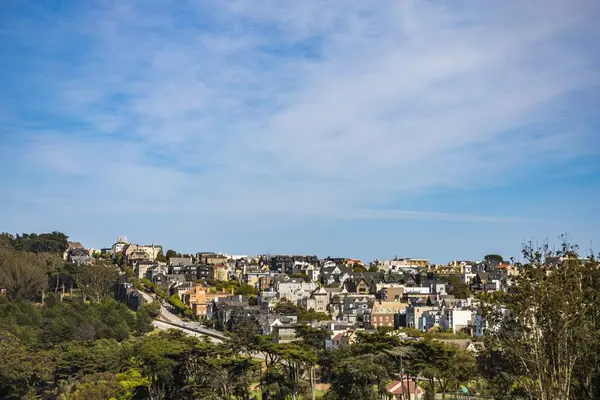
The single biggest variable in carless living is elevation. San Francisco's hills are not decorative, they are an operational reality. Neighborhoods that sit at or near sea level are naturally walkable and bikeable. Neighborhoods perched on steep grades require more planning.
- The Mission District sits on flat terrain and is served by two BART stations (16th Street and 24th Street Mission), multiple MUNI lines, and a dense grid of bike lanes. Day to day errands, dining, and nightlife are all walkable. Going carless here is straightforward.
- The Castro and Noe Valley share a transitional zone. The Castro's main corridor along Market Street connects directly to MUNI Metro's underground K, L, and M lines, making downtown commutes fast. Noe Valley's 24th Street corridor is highly walkable for daily needs, though the surrounding hills add effort to bike trips. The J Church streetcar runs through the neighborhood but headways can be inconsistent. New residents here often discover they need a car far less than they expected.
- The Sunset and Richmond Districts are flat and bikeable, and both have dedicated east to west transit corridors (the N Judah and the 38 Geary serve them respectively). However, they sit at the western edge of the city, which means transit commutes to downtown or SoMa take longer. The tradeoff is lower density and more space, which attracts residents who prioritize quiet over commute speed.
- Hayes Valley and the Lower Haight are compact, walkable, and central. Multiple MUNI lines converge here, and a bike ride to almost anywhere in the city is feasible. This corridor consistently ranks among the most transit rich in the city.
- Potrero Hill and Bernal Heights are genuinely hilly and more car dependent than their flatland neighbors, though both have improved transit access in recent years. Residents here often keep one vehicle for weekend trips while relying on transit and rideshare for weekday commutes.
- Chinatown, North Beach, and the Financial District adjacents are among the most walkable blocks in the city. Proximity to BART at Embarcadero and Montgomery, dense pedestrian infrastructure, and flat terrain make this corridor exceptional for carless urban living.
MUNI, BART, and the Real Commute Experience
MUNI covers the city comprehensively but unevenly. The underground Metro lines (J, K, L, M, N, T) are faster and more reliable than surface bus routes. BART is a separate system and connects San Francisco to Oakland, Berkeley, and the broader East Bay, a major advantage for anyone whose work or social life crosses the Bay. As of July 2026, the Caltrain electrification project has improved south peninsula service significantly, making neighborhoods near 4th and King (SoMa, Mission Bay) more attractive for commuters heading to the Peninsula without a car.
One honest note: MUNI surface buses have historically struggled with on time performance on some corridors. The N Judah and L Taraval lines can experience gaps during peak hours. Residents who build a carless lifestyle around MUNI do best when they layer in BART where it overlaps, use the MuniMobile app for real time arrivals, and treat cycling as a first mile last mile complement rather than a full replacement.
San Francisco is not one city when it comes to transit: a flat block in the Mission and a steep block in Potrero Hill require completely different carless strategies.
How Carless Livability Affects Property Value
Transit access and walkability have a direct and measurable influence on San Francisco real estate. High walkscore neighborhoods like the Mission, Hayes Valley, and the Castro command a clear premium over comparable square footage in more car dependent pockets of the city. When buying in San Francisco, it is worth asking not just about the unit itself but about the specific block: is parking included, and do you actually want to pay for it, or would you rather redirect that cost?
For condos and TICs in particular, parking can swing value significantly. A TIC, tenancy in common, is a form of shared ownership common in San Francisco where multiple buyers own fractional interests in a single building rather than individual units outright. In a transit rich neighborhood, a TIC without a deeded parking space may appeal to a wider pool of carless buyers. In a less connected neighborhood, the absence of parking can narrow that pool considerably.
Practical Tools for Carless SF Living
Beyond fixed rail and bus, a carless San Francisco lifestyle in 2026 draws on a layered toolkit:
- Bay Wheels bike share has expanded electric assist coverage across the flatlands and along key corridors, a genuine gamechanger for hills that once required a car.
- Scooter share (Lime and others) fills short trip gaps, especially for the last few blocks between a BART station and a destination.
- Carshare programs like Zipcar position vehicles in neighborhoods throughout the city, giving carless residents access to a vehicle for the occasional Costco run or weekend trip to Marin without the cost of ownership.
- Ferry service from the Ferry Building connects to Sausalito, Tiburon, and Alameda, a beautiful and often faster alternative to bridge traffic for East Bay and North Bay trips.
If you are weighing which San Francisco neighborhood fits your transit lifestyle and your budget, the Love Smart Living team at Christie's International Real Estate Sereno has worked across all of these corridors and can walk you through the real tradeoffs on any block. You are welcome to reach out to the team directly to talk through what matters most to you.
Frequently asked questions
Which San Francisco neighborhoods are best for living without a car?
The Mission, Hayes Valley, the Castro, Chinatown, and North Beach consistently offer the strongest combination of walkability, MUNI access, and BART proximity. Flat terrain in the Sunset and Richmond also supports carless living, though commutes to downtown take longer from those western neighborhoods.
Is San Francisco's public transit reliable enough to go completely carless?
For most daily needs, yes. BART is generally reliable for cross city and cross bay commutes. MUNI Metro underground lines are reasonably consistent. Surface bus routes can be less predictable, so residents who go fully carless tend to use real time tracking apps and layer in cycling or scooter share for flexibility.
Does living without a car affect what neighborhoods I can afford in San Francisco?
Transit rich neighborhoods like the Mission and Hayes Valley carry a premium precisely because they reduce car ownership costs. A higher purchase price in a walkable area can offset car expenses over time. The tradeoff is real and worth modeling with your agent before deciding where to focus your search.
How do hills affect carless living in San Francisco?
Significantly. Flat neighborhoods like the Mission, Sunset, and Richmond are far easier to navigate by bike and on foot. Steep areas like Nob Hill, Russian Hill, Pacific Heights, and parts of Bernal Heights and Potrero Hill require more effort without a car, though electric assist bikes and scooter share have reduced that friction meaningfully as of 2026.
Does a condo or TIC without parking make sense in a carless lifestyle?
In a transit rich neighborhood, absolutely. Units without deeded parking are often priced lower, and the savings can offset years of carshare or transit costs. In a less connected neighborhood, the absence of parking narrows your resale pool, so it is worth discussing location and long term strategy with your agent before deciding.
Thinking about making a move in San Francisco?
Whether you are buying, selling, or just weighing your options, we are happy to talk it through with no obligation. Reach out to Nick Ramos & Lynn Bell →
About Nick Ramos & Lynn Bell. We're Nick Ramos and Lynn Bell, a San Francisco real estate team with Christie's International Real Estate Sereno. We help buyers and sellers across the city, with deep local knowledge of San Francisco's neighborhoods, housing markets, and new development. Christie's International Real Estate Sereno. DRE# 02273071 (Nick) · DRE# 01305416 (Lynn). (415) 993-9113 · nickramos@christiesrealestatenorcal.com
Categories
Recent Posts


GET MORE INFORMATION