San Francisco Housing Market: What It's Like in 2026
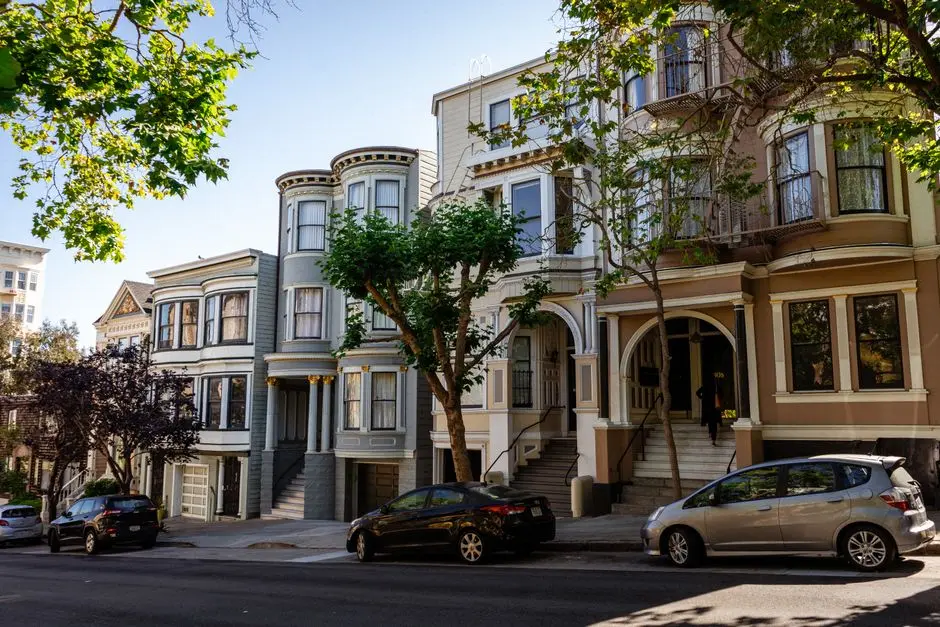
The San Francisco housing market in 2026 is selectively competitive: well prepared, accurately priced homes in desirable neighborhoods are moving with real urgency, while overpriced or poorly presented listings are sitting and collecting price reductions. That split is the defining story of SF real estate right now.
A Tale of Two Markets Within One City
San Francisco has never been one monolithic market, and as of June 2026 that reality is sharper than ever. The single family home segment in neighborhoods like Noe Valley, Glen Park, and the Inner Sunset continues to command a clear premium over the condo market citywide. Buyers who want a yard, a garage, and no shared walls are still competing fiercely when the right property appears. The condo and TIC market tells a different story.
A TIC (tenancy in common) is a form of shared ownership common in San Francisco where multiple buyers each own a percentage of a building rather than a discrete unit. TICs have historically traded at a discount to condos because of fractional financing and shared liability. Right now that discount is alive and well, and TICs remain one of the few entry points for buyers who want to own in a neighborhood that would otherwise be out of reach.
For a closer look at how the city's different segments are behaving, our SF market snapshot breaks down current conditions across property types and neighborhoods.
Which Neighborhoods Are Driving Activity
Location within San Francisco still does most of the work. Here is what we are seeing on the ground right now:
- Noe Valley and Eureka Valley: Perennially strong. Single family homes here attract multiple offers when inventory is tight, which it usually is. The walkability, the farmers market, and the sunny microclimate all keep demand anchored.
- The Inner Sunset and Inner Richmond: Both neighborhoods have gained buyers who want proximity to Golden Gate Park and a genuine neighborhood feel without the Noe Valley price ceiling. Competition here is real but slightly more manageable.
- Bernal Heights: Small, hilly, and deeply community oriented. Homes here move quickly when priced honestly because the pool of people who specifically want Bernal is loyal and patient.
- South of Market and Mission Bay: The condo and new development market in these areas has more inventory and is more buyer friendly. Negotiating room exists in ways it rarely does in the single family segments above.
- The Sunset and Richmond (outer): Fog belt pricing still reflects the microclimate reality, but buyers who work from home and care less about the commute to downtown are rediscovering these neighborhoods. Value relative to the rest of the city is a genuine draw.
What Sellers Need to Know Right Now
San Francisco's disclosure culture is among the most rigorous in the country. Sellers here are expected to deliver a full disclosure package before buyers even make an offer, including a Transfer Disclosure Statement, a Natural Hazard Disclosure, and often a pre listing inspection. Buyers rely on this package to bid without contingencies, which means sellers who cut corners on disclosures are actually slowing themselves down.
The San Francisco transfer tax also deserves attention from anyone planning to sell. It is a tiered tax paid by the seller at close and the rate scales with the sale price. On a high value property it is a meaningful line item that should be built into net proceeds calculations from day one.
If you are thinking about selling and want to understand where your home stands today, a free SF home valuation is a practical first step before any other decision is made.
The San Francisco market in 2026 rewards preparation and punishes wishful pricing, and the gap between those two outcomes has rarely been wider.
What Buyers Are Dealing With
For buyers, the challenge in June 2026 is less about competition at every turn and more about reading which pockets of the market are hot versus which have cooled. Offer dates and multiple bid situations are still common for turnkey single family homes in core neighborhoods. But in the condo market, and especially in buildings with high HOA dues or pending special assessments, buyers have real leverage.
Rent control is a factor buyers sometimes overlook until it is too late. San Francisco's rent control ordinance covers most residential rental units built before June 1979. If you are buying a multifamily building or a property with a tenant in place, understanding whether that tenant is protected under rent control is not optional. It shapes everything from how you can use the property to what it is worth as an investment.
Working with an agent who knows these mechanics before you are under contract saves enormous grief. If you are actively searching, the buying in San Francisco guide we put together walks through the full process with SF specific detail.
The Bigger Forces Shaping SF Real Estate in 2026
A few structural dynamics are worth keeping in mind as you navigate the market this year:
- Supply remains constrained. San Francisco's geography, zoning history, and approval processes mean that meaningful new housing supply arrives slowly. That constraint puts a structural floor under values in desirable neighborhoods over the long term.
- Tech employment drives demand cycles. The return to office mandates from major employers based in the city and on the Peninsula have brought some buyers back who had relocated during the remote work years. This is a gradual but real tailwind for demand in neighborhoods near BART and Caltrain connections.
- The fixer versus turnkey gap. Right now, buyers are rewarding move in ready condition more than ever. Properties needing substantial work are sitting longer and selling at steeper discounts than they did during the frenzied years. If you own a home that needs updating before listing, the preparation investment is almost always worth it.
Our Honest Read on the Market
The Love Smart Living team at Christie's International Real Estate Sereno works across San Francisco every week, and the clearest pattern we see right now is this: the market rewards preparation and punishes wishful pricing. Sellers who come in with a complete disclosure package, a well staged home, and a price anchored in current comps are getting strong results. Buyers who understand the SF specific mechanics, from TIC financing to rent control to transfer tax, are making smarter decisions and avoiding expensive surprises.
San Francisco is not a simple market in any year. But in 2026 it is genuinely navigable if you have the right local guidance.
Frequently asked questions
Is the San Francisco housing market a buyer's or seller's market in 2026?
It depends on the property type and neighborhood. Single family homes in core neighborhoods like Noe Valley and Bernal Heights remain firmly seller friendly. The condo and TIC market citywide is more balanced, with real negotiating room for prepared buyers, especially in buildings with high HOA costs or deferred maintenance.
Which San Francisco neighborhoods have the most competitive real estate market right now?
As of June 2026, Noe Valley, Eureka Valley, the Inner Sunset, and Bernal Heights consistently see the strongest buyer competition for single family homes. The outer Sunset and Richmond districts are drawing more interest from buyers priced out of sunnier neighborhoods who are prioritizing value and space.
What is a TIC and should I consider buying one in San Francisco?
A TIC (tenancy in common) is a form of shared ownership where buyers own a percentage of a building rather than a legally separated unit. TICs typically trade at a discount to condos in San Francisco because of fractional financing requirements and shared liability. They can be an excellent entry point in expensive neighborhoods, but they require careful due diligence on the co ownership agreement and financing options.
How does San Francisco's transfer tax affect home sellers?
The San Francisco transfer tax is a tiered city tax paid by the seller at closing and it scales with the final sale price. On higher value properties it becomes a significant line item. Sellers should calculate their expected transfer tax obligation early in the planning process so it does not come as a surprise at closing.
Does rent control affect buying a home in San Francisco?
Yes, if you are buying a property with a tenant in place or a multifamily building. San Francisco's rent control ordinance generally covers residential units built before June 1979. A rent controlled tenancy can affect your ability to occupy the property yourself, alter the unit, or price it as a rental investment. Always confirm a unit's rent control status before making an offer.
Thinking about making a move in San Francisco?
Whether you are buying, selling, or just weighing your options, we are happy to talk it through with no obligation. Reach out to Nick Ramos & Lynn Bell →
About Nick Ramos & Lynn Bell. We're Nick Ramos and Lynn Bell, a San Francisco real estate team with Christie's International Real Estate Sereno. We help buyers and sellers across the city, with deep local knowledge of San Francisco's neighborhoods, housing markets, and new development. Christie's International Real Estate Sereno. DRE# 02273071 (Nick) · DRE# 01305416 (Lynn). (415) 993-9113 · nickramos@christiesrealestatenorcal.com
Categories
Recent Posts


GET MORE INFORMATION