SF Luxury Real Estate Market 2026
San Francisco's luxury real estate market in 2026 is defined by selectivity. Well prepared homes in the right neighborhoods are moving with conviction, while overpriced or underpresented properties are sitting. It is a market that rewards local knowledge and penalizes shortcuts.
What Counts as Luxury in San Francisco Right Now
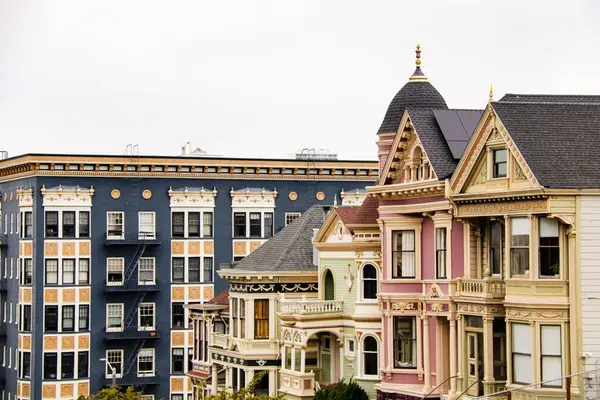
In San Francisco, the luxury tier does not begin and end at a price tag. It is about a combination of architectural distinction, location, finish level, and what the property delivers in daily life. A Edwardian flat on a prime Pacific Heights block competes in this tier not because of square footage alone but because of its views, its ceiling heights, its address, and the way the light moves through it in the afternoon. As of July 2026, that qualitative definition is more important than ever because buyers in this segment are sophisticated and specific about what they want.
The love smart living team at Christie's International Real Estate Sereno works across this tier regularly, and the consistent observation is that luxury buyers in San Francisco are deeply neighborhood literate. They are not buying a zip code. They are buying a particular block, a particular outlook, a particular relationship to the city's topography.
The Neighborhoods Driving Activity
Pacific Heights remains the anchor of San Francisco luxury. Homes on the north slope with clear bay and Marin views continue to command the clearest premiums in the city. Broadway and Vallejo Streets above Fillmore draw competitive attention from buyers who want volume, privacy, and proximity to the boutiques and restaurants along Sacramento Street.
Presidio Heights offers a quieter version of the same appeal. The streets feel more residential, the lot sizes tend to be more generous, and the proximity to the Presidio itself gives the neighborhood a park adjacent quality that buyers value highly. It regularly produces some of the most compelling single family transactions in the city.
Cow Hollow and the Marina attract buyers drawn to the flat walkability, the connection to Chestnut and Union Streets, and the relative ease of getting in and out of the neighborhood compared to hilltop addresses. Renovated Edwardians and newer construction condos both find strong audiences here.
Dolores Heights and the upper Mission are drawing attention from buyers who want architectural character, outdoor space, and the cultural texture of the 24th Street and Valencia Street corridors nearby. The hillside blocks between Dolores Park and Noe Valley produce properties with dramatic city panoramas that are genuinely hard to find at this price point in comparable cities.
For buyers interested in a broader view of recent transactions, our recently sold San Francisco homes page gives a real sense of what the market is actually delivering across neighborhoods right now.
What Is Actually Selling and What Is Not
The luxury market in San Francisco as of July 2026 is not uniformly strong. There is a meaningful gap between properties that are selling with speed and those that are accumulating days on market. The difference almost always comes down to preparation and pricing.
Sellers who invest in pre market work, full disclosure packages, professional staging, and architectural photography are finding that well qualified buyers respond quickly. Sellers who list aspirationally and hope to negotiate down are finding that luxury buyers in this city simply move on. There is enough inventory and enough patience in this segment that buyers do not feel pressure to overpay for a property that does not feel complete.
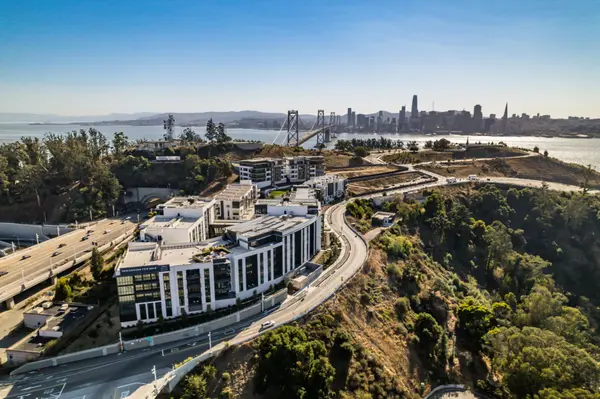
Condos in new construction towers downtown and in Rincon Hill continue to face headwinds. The HOA fee structures in some of these buildings are substantial, and buyers are doing more careful analysis of what those fees represent long term. TIC properties, which are tenancy in common arrangements common in San Francisco as an alternative to condo conversion, have found a more stable footing in certain neighborhoods, particularly when fractional financing is available through lenders who specialize in the structure.
If you are thinking about selling in this environment, our guide to selling in San Francisco walks through what the preparation process looks like in practice.
The San Francisco luxury market rewards specificity and preparation above all else, and that is more true in 2026 than it has been in years.
The Buyer Profile in 2026
Luxury buyers in San Francisco this year are arriving from two primary directions. The first is the technology sector, which continues to generate liquidity events that translate into real estate purchasing power. The second is the relocation buyer, often moving from other major coastal cities, who is making a deliberate choice that San Francisco's combination of architecture, climate variation across neighborhoods, and urban density is worth the trade. These buyers tend to be well researched and move decisively when a property genuinely fits.
International buyers remain a meaningful presence, particularly in Pacific Heights and Sea Cliff, where the combination of security, views, and neighborhood stability has long translated across geographies. San Francisco's position on the Pacific Rim and its connections to Asia and Latin America sustain demand from buyers who want a physical foothold in the city regardless of what is happening in the broader market.
How San Francisco Mechanics Shape the Luxury Transaction
A few San Francisco specific factors shape how luxury deals actually come together, and buyers coming from other markets are sometimes caught off guard by them.
- The transfer tax: San Francisco imposes a real property transfer tax on sales, and at higher price points the structure of the tax becomes a material consideration in negotiations. Both buyers and sellers need to understand who carries it and how it is accounted for in offers.
- Disclosure culture: San Francisco has one of the most comprehensive seller disclosure environments in the country. Luxury sellers are expected to deliver thorough disclosure packages before offers are accepted, which actually benefits prepared sellers by reducing contingency risk and accelerating close timelines.
- TIC complexity: In buildings that have not completed condo conversion, buyers are purchasing a fractional interest in the whole property rather than a deeded unit. This affects financing options, resale liquidity, and how the HOA equivalent operates. It is not a reason to avoid TICs, but it requires a buyer and agent who understand the structure.
- Rent control shadows: For investors buying in the luxury segment, San Francisco's rent control ordinance shapes strategy in important ways, particularly for multi unit properties where one or more units may be tenant occupied.
For a current read on how the broader San Francisco market is behaving, our SF market snapshot is updated regularly and gives useful context for where the luxury tier sits relative to the rest of the city.
Our Read on the Rest of 2026
The second half of 2026 is setting up to continue the same pattern we have seen since January. Exceptional properties in premier locations will find buyers. Properties that require imagination to justify their ask will not. Sellers who treat preparation as optional are going to have a frustrating experience. Buyers who are genuinely clear on their criteria and work with an agent who knows the specific blocks they care about are going to find real opportunity, including off market and pre market inventory that never appears in a public search.
The San Francisco luxury market rewards specificity. That has always been true here, and it is especially true right now.
Frequently asked questions
Is the San Francisco luxury real estate market strong in 2026?
Selectively strong. Well prepared homes in premier neighborhoods like Pacific Heights and Presidio Heights are moving with conviction. Properties that are overpriced or underprepared are sitting. The market rewards quality and penalizes shortcuts.
Which San Francisco neighborhoods are most active in the luxury segment right now?
Pacific Heights, Presidio Heights, Cow Hollow, and Dolores Heights are all seeing meaningful activity in 2026. Each has a distinct character and buyer appeal, ranging from bay view estates to walkable flat blocks to hillside homes with city panoramas.
What is a TIC and does it affect luxury buyers in San Francisco?
A TIC, or tenancy in common, is a form of ownership common in San Francisco where buyers hold a fractional interest in a building rather than a deeded unit. It affects financing, resale, and how shared costs are managed. It requires a buyer and agent who understand the structure thoroughly.
Who is buying luxury homes in San Francisco in 2026?
The two dominant buyer groups are technology sector purchasers with liquidity from equity events and relocation buyers choosing San Francisco deliberately after weighing options in other major cities. International buyers remain a consistent presence, particularly in Pacific Heights and Sea Cliff.
How does the San Francisco transfer tax affect luxury transactions?
San Francisco's real property transfer tax is tiered, and at higher price points it becomes a material line item that both parties need to account for in structuring offers. Understanding who carries it and how it is negotiated is part of any well prepared luxury transaction in the city.
About Nick Ramos & Lynn Bell. We're Nick Ramos and Lynn Bell, a San Francisco real estate team with Christie's International Real Estate Sereno. We help buyers and sellers across the city, with deep local knowledge of San Francisco's neighborhoods, housing markets, and new development. Christie's International Real Estate Sereno. DRE# 02273071 (Nick) · DRE# 01305416 (Lynn). (415) 993-9113 · nickramos@christiesrealestatenorcal.com
Categories
Recent Posts




GET MORE INFORMATION