What Is a TIC in San Francisco?

A TIC in San Francisco is a form of shared property ownership where two or more people each hold an undivided percentage interest in an entire building rather than owning a single legally separated unit. As of June 2026, TICs remain one of the most distinctly San Francisco housing structures you will encounter, and understanding how they work is essential before you make an offer on one.
How a TIC Actually Works
A TIC (tenancy in common) splits ownership of a building by percentage share rather than by unit. When you buy a TIC, you are not purchasing a defined airspace the way a condo buyer does. Instead, a TIC agreement (a private contract among all co owners) spells out who occupies which unit, how expenses are divided, and what happens if someone wants to sell. That agreement is the legal backbone of the whole arrangement, and its quality matters enormously.
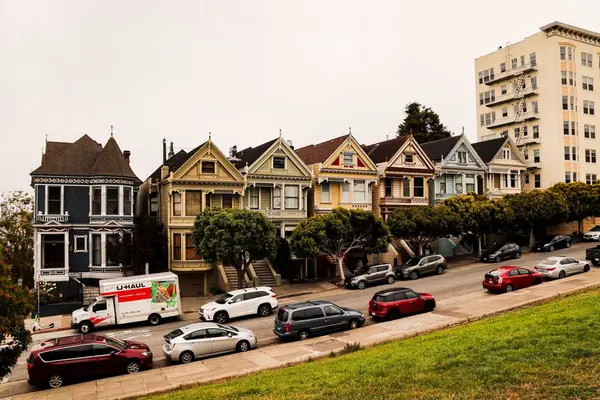
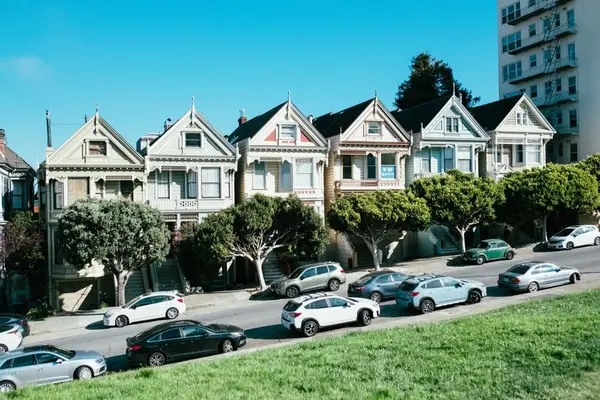
San Francisco's housing stock made TICs almost inevitable. The city has an enormous number of two to six unit buildings. Rent control, conversion restrictions, and the sheer cost of condominiums pushed creative ownership structures into the mainstream. Today TICs are most common in neighborhoods like the Inner Sunset, Cole Valley, Noe Valley, the Mission, and the Richmond, where Victorian and Edwardian multiunit buildings are plentiful.
TIC Financing: What You Need to Know
Financing a TIC is different from financing a condo or a single family home, and it is usually the first thing that surprises buyers. Most TIC buyers use what is called fractional financing, where each co owner carries their own individual loan secured by their percentage share of the building rather than one blanket mortgage shared by all owners.
Fractional TIC loans are offered by a smaller pool of lenders than conventional mortgages. Interest rates on fractional TIC loans have historically run higher than comparable condo loans, though the gap has narrowed over time as more lenders entered the space. The underwriting process also looks at the stability of the entire co ownership group, not just the individual buyer, which adds a layer of complexity you would not face buying a condo.
Some older TIC buildings still carry a group loan (one mortgage on the whole building shared by all owners). Group loans create real risk: if one co owner stops paying, all owners are exposed. As of June 2026, group loans are largely being phased out in favor of fractional financing as buildings refinance, but they still exist. Always confirm which structure applies before you go into contract.
TICs and San Francisco Condo Conversion
One reason buyers accept the complexity of a TIC is the potential to convert to condominiums later. Condo conversion in San Francisco has historically required going through a city lottery system, and the rules have shifted over the years in ways that have made the process slower and less predictable. As of this year, buyers should not purchase a TIC banking on near term conversion. Think of any conversion upside as a bonus, not a business plan.
A two unit building that has been owner occupied (with no evictions of protected tenants) has historically had a cleaner path to conversion than larger buildings. If conversion eligibility matters to you, ask specifically about the building's eviction history and owner occupancy record before you make an offer. These details live in the TIC agreement and the city's records, and they can significantly affect value.
A TIC agreement is the legal backbone of the whole arrangement, and in San Francisco, its quality matters as much as the building itself.
The Real Tradeoffs: Why Buyers Choose TICs
TICs typically trade at a meaningful discount to comparable condominiums in the same neighborhood. That discount reflects the added complexity: financing constraints, shared decision making with co owners, the TIC agreement instead of condo CC&Rs, and the conversion uncertainty. For buyers who have been priced out of the condo market in a neighborhood they love, a TIC can be the realistic path in.
Here is what I see in deals right now. Buyers who do well with TICs tend to share a few traits:
- They are buying in a small building (two to four units) with co owners they know or have thoroughly vetted.
- They have read the TIC agreement carefully with a real estate attorney, not just skimmed it.
- They are not depending on a quick resale. TICs take longer to sell and attract a narrower buyer pool.
- They understand the financing landscape and have already spoken to lenders who specialize in fractional TIC loans.
- They genuinely want to live in the unit long term, which smooths over any friction that comes with shared ownership.
Buyers who struggle with TICs often underestimate the co ownership dynamic. Sharing a building means coordinating on repairs, insurance, and decisions about the property. A well written TIC agreement anticipates disputes and creates a clear process. A poorly written one creates expensive problems. I always recommend buyers have a real estate attorney review the agreement before going into contract, not after.
TICs vs. Condos in San Francisco: The Core Difference
A condominium in San Francisco is a separately deeded unit. You own that airspace outright. A TIC is a percentage share of an entire building governed by a private agreement. Condos are easier to finance, easier to resell, and carry less co owner dependency. TICs offer a lower entry point and access to neighborhoods and building types that may not be available as condos. Neither is universally better. The right choice depends on your budget, your timeline, your risk tolerance, and the specific building.
If you are actively researching the buying process in San Francisco, our guide to buying in San Francisco covers the full picture beyond TICs, from offer strategy to disclosure review to close of escrow. You can also check our SF market snapshot for a current read on how the broader market is behaving right now.
What to Ask Before Making an Offer on a TIC
Before you submit an offer on a TIC listing, make sure you or your agent has answered these questions:
- Is financing fractional or a group loan?
- How many units are in the building, and who are the co owners?
- Has the TIC agreement been updated recently, and does it include a buyout and dispute resolution process?
- Has the building been through any Ellis Act evictions or owner move in evictions?
- What is the building's condo conversion status and eligibility?
- Are there any shared capital expenses (roof, foundation, systems) coming up?
These are not gotcha questions. They are the baseline for making an informed decision on a property type that rewards careful buyers and punishes rushed ones. If you want to talk through a specific TIC listing or just want a second set of eyes on an agreement, reach out to the Love Smart Living team at Christie's International Real Estate Sereno. We work with TIC buyers regularly and know what to look for.
Frequently asked questions
What is a TIC in San Francisco real estate?
A TIC (tenancy in common) is a form of property ownership where co owners each hold a percentage share of an entire building rather than a separately deeded unit. A private TIC agreement governs who occupies which space and how costs are shared. It is one of the most common alternative ownership structures in San Francisco.
Is buying a TIC in San Francisco a good idea?
It depends on the buyer. TICs trade at a discount to comparable condos and can be a realistic path into a desirable neighborhood. But they come with financing complexity, co owner dependency, and a narrower resale market. They work best for buyers with a long term horizon who have thoroughly vetted both the agreement and the co owners.
How is TIC financing different from a regular mortgage?
Most TIC buyers in San Francisco use fractional financing, where each co owner carries an individual loan secured by their percentage share of the building. Fewer lenders offer these products than standard mortgages, and the underwriting process considers the stability of the entire ownership group. Interest rates have historically been somewhat higher than condo loans.
Can a TIC in San Francisco be converted to a condo?
Potentially yes, but condo conversion in San Francisco involves a city process that has historically been slow and unpredictable. Two unit buildings with clean owner occupancy records and no protected tenant evictions have had stronger conversion prospects. Buyers should treat any conversion upside as uncertain and not build it into their core financial case for buying.
What is the difference between a TIC and a condo in San Francisco?
A condo is a separately deeded unit you own outright. A TIC is a fractional share of a whole building governed by a private agreement. Condos are easier to finance and resell. TICs typically cost less but come with more legal complexity, co owner coordination, and a smaller pool of potential future buyers.
Thinking about making a move in San Francisco?
Whether you are buying, selling, or just weighing your options, we are happy to talk it through with no obligation. Reach out to Nick Ramos & Lynn Bell →
About Nick Ramos & Lynn Bell. We're Nick Ramos and Lynn Bell, a San Francisco real estate team with Christie's International Real Estate Sereno. We help buyers and sellers across the city, with deep local knowledge of San Francisco's neighborhoods, housing markets, and new development. Christie's International Real Estate Sereno. DRE# 02273071 (Nick) · DRE# 01305416 (Lynn). (415) 993-9113 · nickramos@christiesrealestatenorcal.com
Categories
Recent Posts






GET MORE INFORMATION