
Mortgage Rates and the SF Housing Market in 2026
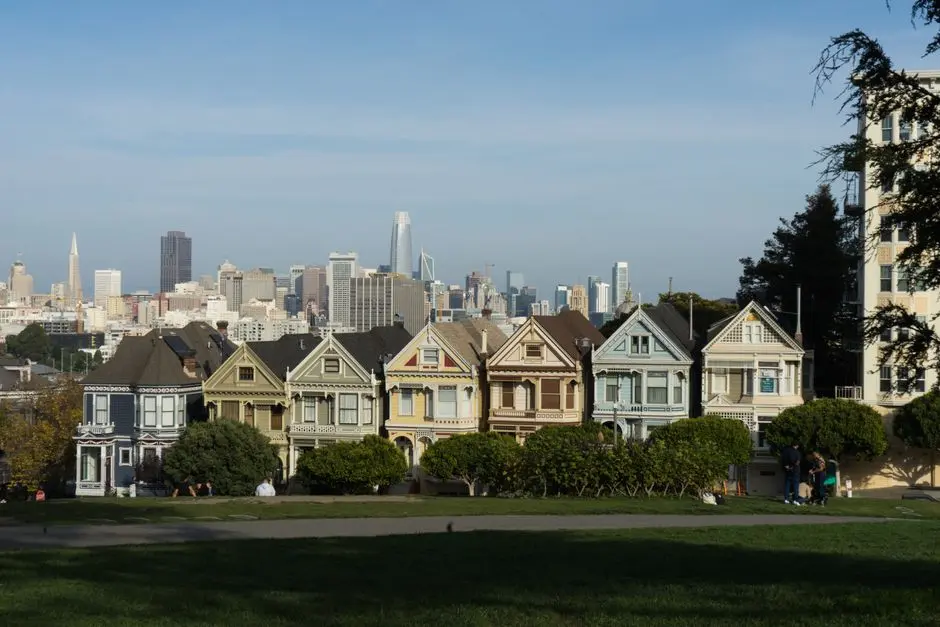
Mortgage rates are reshaping the San Francisco housing market in 2026 in ways that are uneven, neighborhood specific, and far more nuanced than any single headline can capture. As of June 2026, the rate environment is creating real friction for some buyers while quietly unlocking opportunity for others who know where to look.
Why San Francisco Responds Differently to Rate Shifts
San Francisco is not a typical American housing market. The city runs on a compressed supply of single family homes, a large and active condo and TIC inventory, and a buyer pool that skews heavily toward tech and finance workers whose purchasing power is tied to equity compensation as much as monthly cash flow. That mix means that when rates move, the city does not respond the way a suburb in, say, Sacramento does.
Buyers here have historically been willing to stretch on price when they find the right home in the right microhood. What rates do is change the calculus on how they stretch. Right now, we are seeing buyers get sharper about product type, location, and negotiating leverage in a way that was less common when money was cheaper.
What Rate Sensitivity Looks Like Across SF Neighborhoods
Not every part of San Francisco feels rate pressure the same way. Here is what the Love Smart Living team at Christie's International Real Estate Sereno is observing on the ground this year:
- Noe Valley and Glen Park: Single family homes on flat, walkable blocks continue to attract competitive offers. The buyer pool here tends to have significant equity from prior sales or stock compensation, which softens rate sensitivity compared to first time buyers entering at a higher loan amount.
- The Sunset and Richmond Districts: These neighborhoods have a dense inventory of TIC units and older condos alongside single family homes. Buyers considering a TIC face a compounding challenge. A TIC, or tenancy in common, is a shared ownership structure where each co owner holds a fractional interest in the whole building rather than a deeded unit. TIC financing already carries a rate premium above conventional loans, so when the broader rate environment is elevated, TIC affordability takes a double hit.
- SoMa and Mission Bay: The condo heavy inventory in these areas tends to be most exposed to rate movement. These buildings often carry HOA dues that add to monthly carrying costs, and buyers doing the math on a high rise condo are running a more complex affordability calculation than a buyer putting an offer on a Bernal Heights cottage.
- Pacific Heights and Cow Hollow: Higher price points here draw buyers who are frequently bringing larger down payments or all cash offers, which insulates a segment of the market from rate environment entirely.
The Inventory and Motivation Equation
One of the most tangible effects of elevated rates on the San Francisco market right now is on seller motivation. Homeowners who locked in financing several years ago are sitting on a significant cost advantage. Trading that mortgage for a new one at current rates is a real psychological and financial hurdle. That hesitation is keeping some naturally motivated sellers on the sidelines, which compresses available inventory and supports prices on well located homes even as buyer demand has softened at the margins.
For buyers, this creates a paradox. Affordability is tighter because of rates, but competition has not collapsed because supply has not expanded enough to satisfy even a modestly smaller buyer pool. Well prepared listings in desirable corridors, think 24th Street in Noe Valley, Irving Street in the Inner Sunset, or anything walkable to Dolores Park, still move with purpose.
You can get a real time sense of how San Francisco listings are performing right now by browsing our SF market snapshot, which reflects current conditions without the lag of monthly report averages.
The buyers who tend to do well in San Francisco are the ones who enter with clarity on their goals, a realistic understanding of the local mechanics, and a guide who can tell the difference between a deal and a distraction.
How Buyers Are Adapting Right Now
The buyers I am working with in June 2026 are adapting in a few consistent ways:
- Prioritizing assumable loans and seller credits. When available, an assumable mortgage at a prior rate is enormously valuable in this environment. Seller credits toward a rate buydown are also back in active negotiation for the first time in years.
- Getting sharper on product type. A buyer who might have chased a condo in Hayes Valley is now more seriously evaluating a TIC in a well run building in Cole Valley because the overall cost may be more manageable, even accounting for the TIC rate premium.
- Leaning into SF transfer tax awareness. San Francisco charges a transfer tax on property sales, and the rate scales with price. Savvy buyers are factoring this into their total transaction cost calculation, especially on higher priced properties where it becomes a meaningful line item.
If you are actively buying in San Francisco this year, our full guide to buying in San Francisco walks through the process with the local mechanics that national buyer resources miss entirely.
What Sellers Should Understand About the Current Climate
If you are a San Francisco homeowner thinking about selling, the rate environment cuts both ways. Yes, buyer pools are somewhat smaller than they were in a low rate cycle. But supply is also constrained, which means a well priced, well presented home is not sitting unseen. What I consistently tell sellers right now is that preparation matters more than timing. Disclosure packages, presale inspections, and staging are not optional extras in this market. They are how you get a buyer who is already stretched on rate to feel confident enough to write a competitive offer.
Curious what your San Francisco home is worth under current conditions? Our free SF home valuation is a good starting point for understanding where you stand before you commit to a timeline.
The Bigger Picture for San Francisco in 2026
San Francisco real estate has always been a long game. The city's structural supply constraints, its geographic limits (you cannot build west into the Pacific), its job density, and its global draw as a place to live have historically meant that rate cycles create windows rather than walls. The buyers who tend to do well are the ones who enter with clarity on their goals, a realistic understanding of the SF specific mechanics, and a local guide who can tell the difference between a deal and a distraction.
Right now, this market rewards preparation, patience, and local knowledge. That combination does not go out of style regardless of where rates are sitting on any given Tuesday.
Frequently asked questions
Are mortgage rates slowing down the San Francisco housing market in 2026?
Rates are creating friction, particularly for first time buyers and those financing condos or TIC units, but San Francisco's chronically low inventory is preventing a broad market slowdown. Well located homes with strong preparation are still attracting serious buyers.
Which San Francisco neighborhoods are most affected by higher mortgage rates?
SoMa, Mission Bay, and other condo heavy areas tend to feel rate pressure most acutely due to stacked carrying costs including HOA dues. TIC heavy blocks in the Sunset and Richmond also see compounded affordability challenges since TIC financing already carries a rate premium above conventional loans.
What is a TIC and why does it matter in the SF mortgage conversation?
A TIC, or tenancy in common, is a shared ownership structure where buyers hold a fractional interest in a whole building rather than a deeded individual unit. TIC loans typically carry a higher interest rate than conventional mortgages, so in an already elevated rate environment, TIC affordability is squeezed from both sides.
Should I wait for rates to drop before buying a home in San Francisco?
Timing rates is unpredictable, and San Francisco's supply constraints mean waiting often means competing against more buyers later rather than fewer. If your finances and life circumstances align, buying now and refinancing if rates improve is a strategy many SF buyers are using in 2026.
How are San Francisco sellers responding to the current rate environment?
Many owners who financed at lower rates are hesitating to sell, which is keeping inventory tight and supporting prices on desirable homes. Sellers who do list are finding that thorough preparation, including presale inspections and complete disclosure packages, is essential for attracting confident buyers in this environment.
Thinking about making a move in San Francisco?
Whether you are buying, selling, or just weighing your options, we are happy to talk it through with no obligation. Reach out to Nick Ramos & Lynn Bell →
About Nick Ramos & Lynn Bell. We're Nick Ramos and Lynn Bell, a San Francisco real estate team with Christie's International Real Estate Sereno. We help buyers and sellers across the city, with deep local knowledge of San Francisco's neighborhoods, housing markets, and new development. Christie's International Real Estate Sereno. DRE# 02273071 (Nick) · DRE# 01305416 (Lynn). (415) 993-9113 · nickramos@christiesrealestatenorcal.com
Categories
Recent Posts





GET MORE INFORMATION