
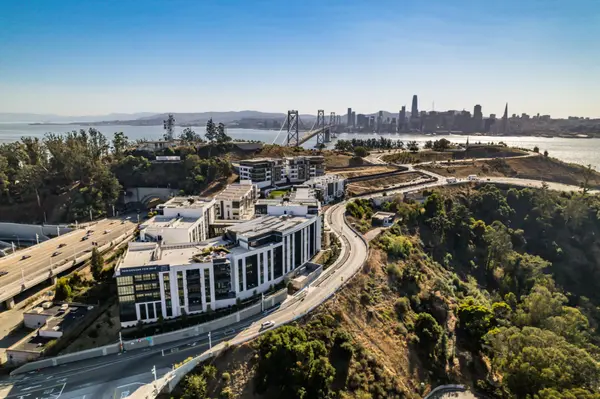
New Construction vs. Resale Condos in San Francisco: How to Choose
In San Francisco, new construction vs resale comes down to trade-offs: new condos give you modern systems, in-unit laundry, a builder warranty and often lower HOA dues in outer-neighborhood buildings, while resale condos give you a track record, established HOA finances, more negotiating room and often more character per square foot. Neither wins across the board. The right choice depends on your budget, the specific building, and how much uncertainty you can live with.
We sell a lot of both. In the past year we have closed brand-new units at 52 Kirkwood Ave in the Bayview, a 2014 high-rise at 401 Harrison St in Rincon Hill, a 1989 building on 23rd St near Potrero Hill, and a 1906 house on Moultrie St. That mix shapes everything below. These are the real trade-offs we walk clients through, with real numbers where we have them.
New Construction vs Resale: The Short Version
Here is how we frame it for buyers on day one:
- New construction means new everything: windows, plumbing, electrical, elevators, seismic design to current code. You pay for that certainty, and you accept that the building has no track record yet.
- Resale means you can see how the building has actually performed: years of HOA minutes, reserve studies, past special assessments, and how units have held value. You trade some modern convenience for that history.
In San Francisco, resale also covers a huge range, from 1900s Edwardian flats converted to condos, to 1980s and 1990s stucco buildings in SoMa and Potrero, to glassy towers from the 2010s. "Resale" is not one thing here.
What the Numbers From Our Own Sales Show
Price per square foot in San Francisco has more to do with location and building type than age alone. A few examples from our recent closings:
- 52 Kirkwood Ave (built 2023, Bayview): one-bedrooms sold between $498,800 and $584,000, with HOA dues of $801/month. Two-bedrooms sold at $778,800 and $798,800.
- 2225 23rd St #311 (built 1989): a 2bd/1ba, 836 sq ft, sold for $630,000 in just 2 days, with HOA dues of $1,025/month.
- 401 Harrison St #18G (built 2014, Rincon Hill): a 758 sq ft one-bedroom sold for $1,040,000, with HOA dues of $1,750/month.
- 287 Moultrie St (built 1906): 810 sq ft, 2bd/1ba, sold for $1,210,000.
The lesson: a 2023 building in the Bayview and a 2014 tower downtown are both "newer," but they live in completely different price worlds. Compare buildings, not categories.
Also notice the spread inside one new building. At 52 Kirkwood, similar one-bedrooms sold anywhere from 5 to 50 days on market, and prices moved with floor, exposure, layout and timing. In a new project, unit selection matters as much as the building.
The Case for New Construction in San Francisco
Modern systems and layouts
New SF condos typically come with in-unit washer/dryer, central heat, efficient windows that actually block Third Street or freeway noise, elevators, and garage parking. In older buildings, any one of those can be a dealbreaker or an expensive retrofit.
Fewer near-term surprises
You are not inheriting someone else's 1970s kitchen or galvanized pipes. California also has specific builder warranty and construction defect rules. The details are legal territory, so have an attorney walk you through what your purchase contract and state law actually cover.
Sometimes lower HOA dues
This surprises people. Our Bayview new construction sales carried HOA dues around $693 to $854/month, while some older and high-rise buildings we sold ran $1,025 to $1,782/month. Amenities, staffing and building age drive dues far more than "new vs. old."
The Case for Resale
A real track record
With a resale condo, we can pull years of HOA meeting minutes, budgets, the reserve study and insurance details. You can see whether the board handles roof leaks promptly, whether a special assessment is coming, and whether there is litigation. In a brand-new building, the HOA budget is a developer's projection, and first-year dues sometimes rise once real operating costs show up.
More room to negotiate
Resale sellers are individuals with their own timelines. Developers often protect their price list, because one discounted sale becomes a comp for every unit after it. Developers may prefer concessions like closing cost credits or upgrades over price cuts. Resale gives you more levers.
Character and location
Much of the city's most-loved housing stock is older: bay windows, high ceilings, crown molding, and locations on established blocks in Noe Valley, the Mission, Bernal or Russian Hill. Most new construction in recent years has clustered in SoMa, Mission Bay, Dogpatch, the Bayview and along transit corridors. If you want a specific older neighborhood, resale is often the only path.
What to watch
Older buildings need sharper inspections: foundation and seismic retrofit status, electrical, plumbing, windows and roof. Ask whether the building has completed any required soft-story work. Also confirm whether a unit is a true condo or a TIC, which changes financing and resale significantly.
New Construction Appraisals: The Hidden Risk
New construction appraisals can be tricky. When a building is just launching, there are few or no closed sales inside it to use as comps, so the appraiser leans on nearby buildings that may be older or less comparable. If the appraisal comes in below the developer's price, you may need to cover the gap in cash or renegotiate.
Lenders also review new condo projects more closely: how many units have sold, how many are owner-occupied, whether the HOA is funded. Early in a project, that can limit loan options. Talk to a lender who knows SF condos before you write an offer, not after.
Resale appraisals are usually more straightforward because the building has a sales history. That said, in a building with mixed unit types, a well-informed appraiser still matters.
Do You Need a Realtor for New Construction?
Short answer: yes, and you need one from your very first visit. The friendly sales team in the model unit works for the developer. Their job is to sell units at the developer's price and terms.
A buyer's agent helps you:
- Compare the developer's pricing to real closed sales nearby, including resale alternatives.
- Pick the right unit: floor, exposure, freeway or street noise, afternoon fog and wind patterns.
- Review the purchase contract, which is usually the developer's own form, not the standard one.
- Dig into the HOA budget, CC&Rs and any projected dues changes.
- Negotiate credits, upgrades or parking.
Important: many developers require your agent to register you on your first visit or tour. Bring your agent along or have them reach out first. How buyer agent compensation is handled varies by project, so confirm it in writing before you sign anything.
How We Help Clients Decide
Our honest take after years of SF condo deals: buy the building, not the label. We have seen a well-run 1989 building sell in two days because buyers trusted its finances, and we have seen brand-new units sit because the price got ahead of the comps.
Start with your must-haves: budget, monthly payment including HOA, commute, parking, laundry, outdoor space. Then tour both a new building and a couple of resale options in the same price range. The right answer usually becomes obvious once you stand in both.
For neighborhood research, check SFUSD's enrollment site for school assignment details and SFPD's public crime data map for incident information, so you can draw your own conclusions block by block.
Categories
Recent Posts





GET MORE INFORMATION
