TIC vs. Condo in San Francisco: Key Differences
A TIC and a condo in San Francisco are both ways to own a piece of a multi unit building, but they represent fundamentally different legal structures with very different implications for financing, resale, and long term risk. Understanding which one you are buying matters enormously in this city.
What Is a TIC in San Francisco?
A TIC, or tenancy in common, is a form of shared ownership where two or more people each hold an undivided fractional interest in an entire property. In San Francisco, TICs typically come with a separate agreement, called a TIC agreement, that assigns each owner the exclusive right to occupy a specific unit. You own a share of the whole building, not a legally subdivided unit of your own.
TICs emerged in San Francisco largely because the city's strict condo conversion lottery made it difficult and slow to subdivide multi unit buildings into individually owned condos. Sellers and developers found that marketing units as TICs allowed buyers to access homeownership in buildings that had not yet converted or could not convert under current rules.
What Is a Condo in San Francisco?
A condo, or condominium, is a legally subdivided unit. You hold fee simple title to your specific airspace, meaning your unit is its own legal parcel on record with the city. Common areas are shared with other owners through a homeowners association, or HOA. A condo is the cleaner, more conventional form of individual ownership inside a multi unit building.
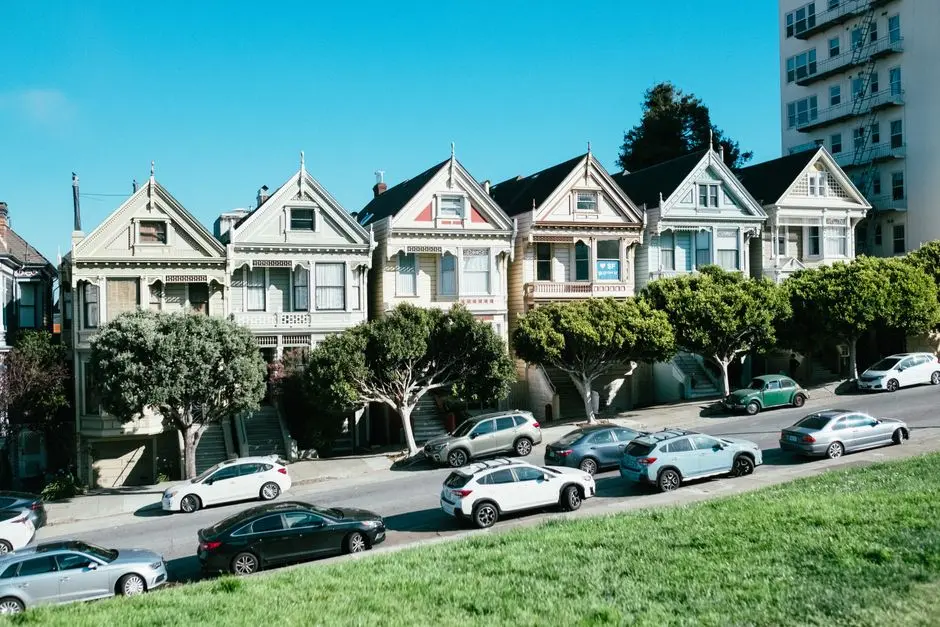
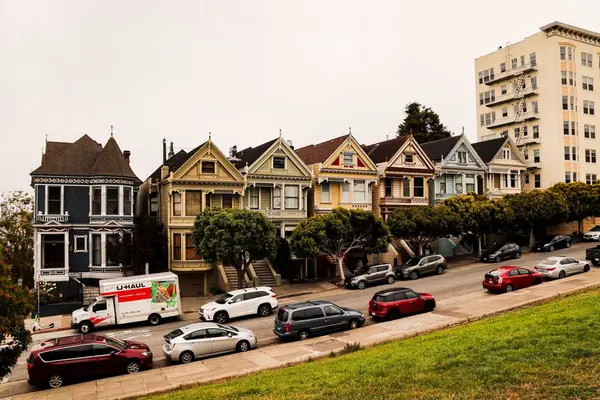
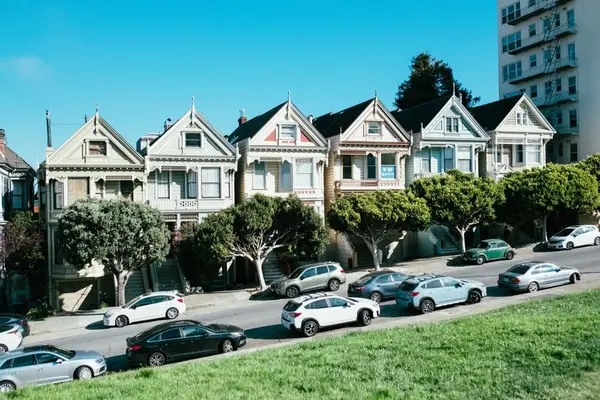
San Francisco has a large and diverse condo market, from Victorian flats in the Castro that converted decades ago, to newer construction towers in South of Market and Mission Bay, to smaller boutique buildings throughout Noe Valley, Cole Valley, and the Inner Richmond.
Financing: The Biggest Practical Difference
This is where TIC ownership gets complicated, and where many buyers in San Francisco are surprised. Condos qualify for standard conventional and FHA mortgage financing. You can shop multiple lenders, get competitive rates, and access the full range of loan products.
TICs are different. Historically, TIC buyers in San Francisco relied on fractional loans, a specialized mortgage product offered by a small number of local lenders. Fractional TIC loans are not sold on the secondary market, which means fewer lenders offer them and the terms are typically less favorable than conventional condo financing. As of June 2026, this remains one of the clearest financial tradeoffs in the city. Buyers using TIC financing face higher barriers, a more limited lender pool, and generally less flexibility if they want to refinance later.
If you are thinking through this decision, our guide to buying in San Francisco walks through how these ownership structures affect the purchase process step by step.
Rent Control and Investor Considerations
San Francisco's rent control ordinance applies to most residential units built before 1979, regardless of whether they are owned as TICs or condos. However, there is a critical nuance for owner occupied buildings. A building where all TIC co owners occupy their own units may qualify for exemptions from certain tenant protections that would otherwise apply if the building were tenant occupied. The rules here are layered and fact specific, so this is not something to assume without getting legal advice.
For investors looking at multi unit buildings with existing tenants, the TIC structure adds complexity. Selling individual TIC interests in a tenant occupied building requires careful navigation of the city's tenant opportunity to purchase rules and other local regulations. Condos in already converted buildings sidestep much of this complexity because the conversion has already been done.
A two unit TIC where both owners live in their units can convert on a predictable timeline, and that future optionality changes the entire valuation conversation.
Resale Value and Market Liquidity
In San Francisco, condos command a clear premium over comparable TIC units in the same building or neighborhood. This is not just perception. The financing friction built into TIC purchases narrows the buyer pool, and a smaller buyer pool means lower competitive pressure on price. When we work with sellers of TIC units, we always address this dynamic upfront because it shapes the listing strategy.
That said, TICs trade at a discount relative to condos precisely because they are priced that way. For buyers who can navigate the financing and are comfortable with the ownership structure, a TIC can represent real value in neighborhoods where condo prices are out of reach. The Inner Sunset, Haight Ashbury, and parts of the Mission have active TIC markets where this tradeoff plays out regularly.
If you want a feel for how TICs and condos have been trading recently across different neighborhoods, take a look at our recently sold San Francisco homes to see what comparable properties are actually closing at right now.
Condo Conversion: Can a TIC Become a Condo?
Yes, but it is not straightforward. San Francisco has a condo conversion lottery for buildings with three or more units, and the waitlist has historically been long. Two unit buildings have a separate, more accessible conversion process that bypasses the lottery, which is why two unit TICs in San Francisco are especially popular and why they trade closer to condo prices than larger buildings. A two unit TIC where both owners are owner occupants can often convert on a relatively predictable timeline, which adds long term optionality that buyers and the Love Smart Living team at Christie's International Real Estate Sereno factor into valuation conversations.
Which One Is Right for You?
If conventional financing, maximum resale liquidity, and a clean title structure are your priorities, a condo is the stronger choice. If you are comfortable with specialized financing and want to access a neighborhood or building type that would otherwise be out of reach, a well structured TIC in a two unit building can be a genuinely smart path into San Francisco homeownership. The right answer depends on your timeline, your financing situation, and exactly which building you are looking at. Reach out to us and we can walk through the specifics together.
Frequently asked questions
Is a TIC or a condo a better investment in San Francisco?
Condos generally offer stronger resale liquidity and more financing options, which supports value over time. TICs trade at a discount because of financing complexity, but that same discount can represent value for buyers who understand the structure. Two unit TICs with conversion potential often behave more like condos in terms of demand.
Can I get a regular mortgage on a TIC in San Francisco?
Not a conventional one. TIC buyers in San Francisco typically need a fractional TIC loan, which is offered by a smaller pool of specialized local lenders and generally comes with less favorable terms than standard condo financing. This is one of the most important practical differences between the two ownership types.
What is a TIC agreement and why does it matter?
A TIC agreement is the contract between co owners that spells out who has exclusive occupancy of which unit, how expenses are shared, and what happens if one owner wants to sell. The quality and specificity of this agreement matters enormously. A poorly written TIC agreement can create serious disputes down the road.
Does San Francisco rent control apply differently to TICs versus condos?
Rent control in San Francisco applies based on the age of the building and occupancy status, not primarily on whether it is a TIC or a condo. However, owner occupancy rules create specific exemptions that can affect TIC buildings differently than tenant occupied condo buildings. Always get legal advice specific to the property you are considering.
Can a TIC in San Francisco be converted to a condo?
Yes. Two unit buildings have an accessible conversion process that bypasses the lottery system used for larger buildings, making them the most practical path to eventual condo ownership. Buildings with three or more units must go through the city's condo conversion lottery, which has historically had a long waitlist.
Thinking about making a move in San Francisco?
Whether you are buying, selling, or just weighing your options, we are happy to talk it through with no obligation. Reach out to Nick Ramos & Lynn Bell →
About Nick Ramos & Lynn Bell. We're Nick Ramos and Lynn Bell, a San Francisco real estate team with Christie's International Real Estate Sereno. We help buyers and sellers across the city, with deep local knowledge of San Francisco's neighborhoods, housing markets, and new development. Christie's International Real Estate Sereno. DRE# 02273071 (Nick) · DRE# 01305416 (Lynn). (415) 993-9113 · nickramos@christiesrealestatenorcal.com
Categories
Recent Posts





GET MORE INFORMATION