San Francisco vs Peninsula: Which Should You Buy In?
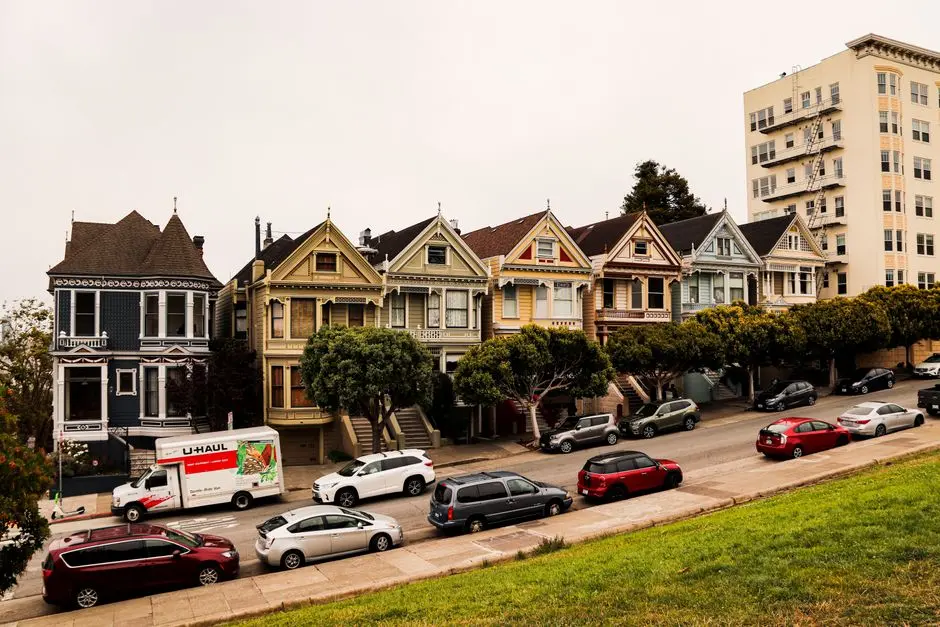
Choosing between San Francisco and the Peninsula is one of the most consequential decisions a Bay Area buyer makes, and in July 2026 the two markets continue to offer genuinely different value propositions. San Francisco rewards buyers who want urban density, architectural character, and neighborhood identity. The Peninsula rewards those who prioritize space, ground floor living, and a quieter daily pace.
What You Are Actually Comparing
San Francisco and the Peninsula are not simply cheaper or more expensive versions of the same thing. They are structurally different markets with different housing stock, different commute patterns, and different lifestyle tradeoffs. Understanding those differences is more useful than chasing a price comparison that shifts month to month.
If you want to get oriented on how the SF side of that equation behaves right now, our SF market snapshot is a good starting point.
What San Francisco Specifically Offers
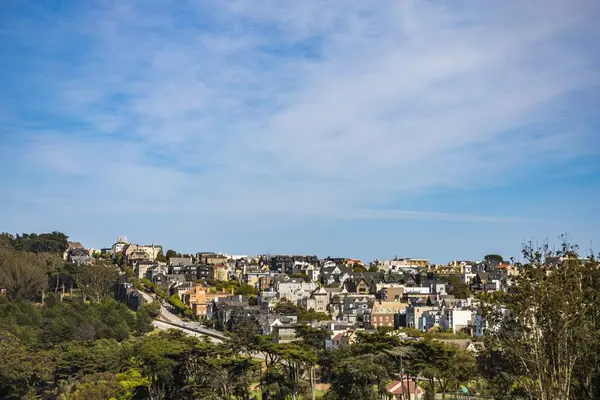
San Francisco is a city of micro neighborhoods, and the differences between them are real and meaningful. Buying in Noe Valley is a different life than buying in the Outer Sunset, even though both are firmly within SF's borders.
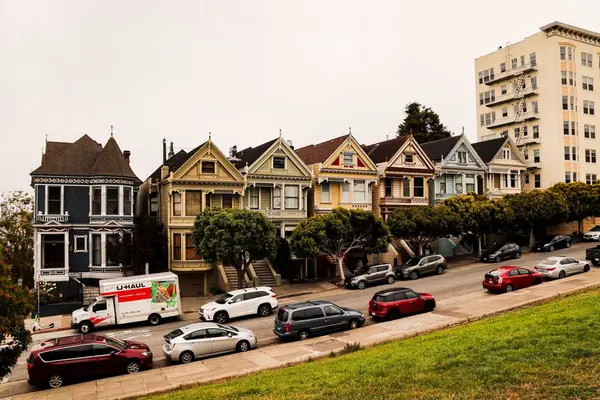
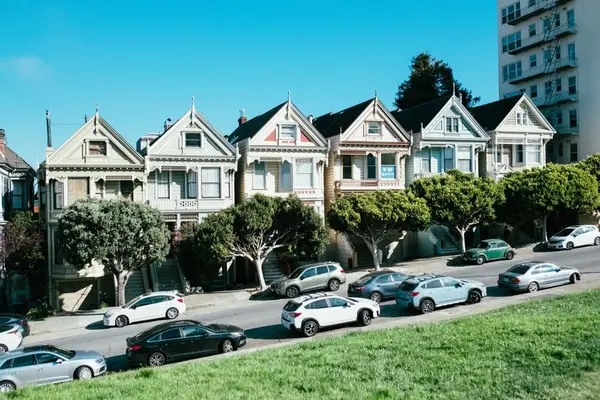
- Architectural variety. Victorian flats, Edwardian tenancies in common, mid century condos, and new construction all coexist within a few blocks of each other in most neighborhoods.
- Transit access. BART, MUNI Metro, and Caltrain connectivity from SF give commuters real options. The Caltrain corridor running through Mission Bay and down toward 4th and King is especially relevant for buyers who travel south regularly.
- Neighborhood identity. The Castro, the Mission, Cole Valley, Glen Park, Bernal Heights, and Potrero Hill each have a distinct character that buyers specifically seek out. That identity is part of what holds value.
- TIC and condo nuance. San Francisco has a significant inventory of TIC units. A TIC, tenancy in common, is a form of co ownership where residents hold a percentage interest in the whole building rather than title to a discrete unit. TIC financing is more specialized and typically carries different terms than standard condo loans, which matters at the offer stage.
- Rent control context. SF's rent control ordinance applies to most residential units built before June 1979. For buyers considering a property with sitting tenants, that context shapes everything from income assumptions to exit strategy.
What the Peninsula Specifically Offers
The Peninsula, running from Daly City and South San Francisco down through San Mateo, Burlingame, Palo Alto, and beyond, offers a housing profile that differs sharply from San Francisco's dense urban fabric.
- Single family detached homes. Ground floor living with a private yard is far more common on the Peninsula than in SF, where the majority of housing is multifamily or attached.
- Lot size and outdoor space. Buyers who want meaningful outdoor square footage and room to expand often find the Peninsula more practical than SF's typically smaller lots.
- Newer construction stock. Many Peninsula cities have a higher proportion of mid century and post war single family homes with updated systems, larger garages, and open floor plans that align with contemporary living preferences.
- Different commute logic. If your employer is in South Bay or Silicon Valley, a Peninsula address can put you closer to that gravity center than SF would.
- Less rent control complexity. Most Peninsula cities operate under state law rather than a stricter local ordinance, which simplifies the calculus for buyers looking at income properties.
San Francisco and the Peninsula are not simply cheaper or more expensive versions of the same thing. They are structurally different markets with different housing stock, different commute patterns, and different lifestyle tradeoffs.
The SF Specific Mechanics That Change Your Budget Math
San Francisco has a layered transfer tax structure that buyers need to understand before they make an offer. The SF transfer tax is a tiered documentary transfer tax paid at close. The rate increases at higher price thresholds. On a competitive SF offer, this is not a rounding error. Your real estate attorney or agent should walk you through the current schedule before you write.
SF also has a disclosure culture that is more comprehensive than most Peninsula jurisdictions. Sellers typically provide a full TDS, an SFPUC water and sewer disclosure, a Residential Building Record, and often a pre sale inspection package. That transparency is genuinely useful to buyers, but it also means a longer review period before offers are due.
The love smart living team at Christie's International Real Estate Sereno works through SF disclosure packages regularly, and we walk buyers through what those documents actually mean before the offer deadline arrives. You can learn more about what the SF buying process looks like in practice on our buyers page.
The Fog Line and Microclimate Question
San Francisco's microclimates are not a minor amenity consideration. They are a material factor in how neighborhoods feel and function day to day. The Outer Sunset and Outer Richmond sit under marine layer for much of the summer, while Noe Valley, Bernal Heights, and the Mission regularly enjoy sunshine just a few miles away. Glen Park and Excelsior neighborhoods sit in a natural bowl that catches afternoon warmth the western neighborhoods do not.
The Peninsula has its own fog and microclimate variation, but the pattern differs. Coastal Pacifica and parts of South San Francisco experience heavy marine influence. Inland Peninsula cities like San Mateo, Redwood City, and Palo Alto tend to run warmer and sunnier through the summer months.
Right now, as of July 2026, buyers who are ambivalent between the two markets often find that visiting both areas on a weekday morning changes their intuition more than any comparison chart does.
How to Know Which Market Actually Fits Your Life
The honest answer is that this decision is less about which market is objectively better and more about which one matches how you actually live.
- Your commute anchor. Where do you spend the most time outside your home? That geography should pull your housing search toward it, not away from it.
- Your housing type preference. If attached urban living with walkable amenities is the life you want, SF delivers it more consistently than most Peninsula cities. If a private yard and a two car garage are non negotiable, the Peninsula makes that easier.
- Your tolerance for SF ownership complexity. TICs, soft story retrofit requirements, and disclosure culture are manageable with the right team. But they are real, and buyers who are not prepared for them can find SF transactions more demanding than expected.
- Your sense of neighborhood identity. SF's neighborhoods have a specificity that is hard to replicate. If you already know you belong in the Inner Sunset or in Potrero Hill, that pull is worth respecting.
If you are still working through where the right fit is, reach out to us directly and we can talk through the specifics of your situation before you start touring.
Frequently asked questions
Is buying in San Francisco more complicated than buying on the Peninsula?
San Francisco has more ownership complexity on average. TIC structures, a tiered transfer tax, soft story retrofit disclosures, and the city's rent control ordinance all require attention that most Peninsula transactions do not. That complexity is manageable with the right guidance, but buyers should go in clear eyed.
What is a TIC and how does it affect a San Francisco home purchase?
A TIC, tenancy in common, is a form of co ownership where each owner holds a fractional interest in the whole building rather than title to a specific unit. TIC financing uses specialized fractional loans rather than standard mortgages, and terms differ accordingly. TICs are common in SF's multifamily neighborhoods and can offer strong value when buyers understand the structure.
Does San Francisco's transfer tax apply to buyers or sellers?
The SF documentary transfer tax is technically a seller cost, but it affects negotiation dynamics and net proceeds calculations for both sides of a transaction. Rates are tiered and increase at higher price thresholds. Buyers should understand how the transfer tax affects seller motivation and pricing strategy in competitive situations.
How do San Francisco microclimates affect which neighborhood to buy in?
Microclimates in San Francisco are significant. The western neighborhoods, including the Outer Sunset and Outer Richmond, sit under marine layer for much of summer while neighborhoods like Noe Valley, Bernal Heights, and the Mission see considerably more sun. This affects lifestyle meaningfully and is worth experiencing firsthand before committing to a neighborhood.
Can I get a clearer picture of the SF market before deciding between SF and the Peninsula?
Yes. Our SF market snapshot gives a current read on how the city's market is behaving across neighborhoods and housing types. That context often helps buyers calibrate whether SF or the Peninsula better matches their budget and lifestyle expectations right now.
Thinking about making a move in San Francisco?
Whether you are buying, selling, or just weighing your options, we are happy to talk it through with no obligation. Reach out to Nick Ramos & Lynn Bell →
About Nick Ramos & Lynn Bell. We're Nick Ramos and Lynn Bell, a San Francisco real estate team with Christie's International Real Estate Sereno. We help buyers and sellers across the city, with deep local knowledge of San Francisco's neighborhoods, housing markets, and new development. Christie's International Real Estate Sereno. DRE# 02273071 (Nick) · DRE# 01305416 (Lynn). (415) 993-9113 · nickramos@christiesrealestatenorcal.com
Categories
Recent Posts




GET MORE INFORMATION